Artwork on Set Dressing
A painting on the wall of a scene is covered by its creator's copyright, regardless of whether the painting is central or decorative. A film that captures recognizable artwork on set needs a license, a clearance or a change to the dressing. Underwriters flag the practice as a routine on-screen risk.
The scene is set, the camera rolls, and a framed painting hangs on the back wall. If a viewer can recognize the painting, the painting's copyright holder may object to the use. Clearance counsel treats visible artwork as a cleared or replaced element, never as background.
Why Visible Artwork Is a Risk
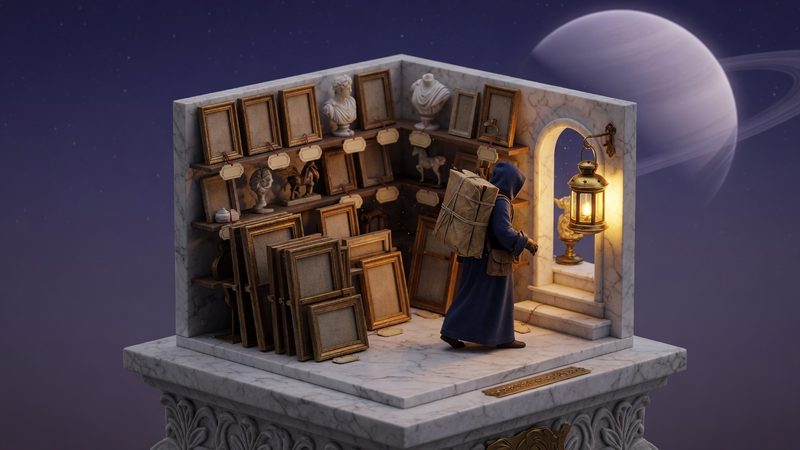
A painting's copyright covers reproduction in a film the same way it covers reproduction in a print. The painting does not have to be central to the scene; a recognizable framing is enough for a plaintiff to allege infringement. Courts have reached both sides on "de minimis" use, so the clearance file does not rely on the defense.
How Set Dec Clears Artwork
The set decorator sources clearable artwork: pieces made specifically for the production, pieces from licensable stock libraries, pieces from an artist with a written license, or pieces in the public domain. The clearance log notes each piece by title and source. On-set changes are logged the same day. Final-cut review catches anything that slipped in.
Licensing Options
A direct license from the artist or the artist's estate. A limited-use license from a stock-art library. A commissioned work on a work-for-hire basis so the production owns the copyright. Each option has a different fee structure and term, and each needs a signed document in the clearance file.
What to Do When a Painting Appears in Dailies
Note it. Identify the artist. Decide between license and replace. If replace, cover the piece in post with a cleared replacement or a VFX obscuration. If license, obtain the written grant before locking the cut. The clearance log carries the decision and the backing document.
Artwork-Clearance Questions Producers Ask
Is a painting in a brief shot still a risk?
What is a "stock" cleared painting?
Can I use a painting from a museum?
What about public-domain paintings?
Can I just blur the painting in post?
Does HAMMUR hold art-license agreements?
Attach the Art License
Every signed license, release or commission goes in the HAMMUR account once and ships with every submission.
HAMMUR currently serves businesses domiciled in the United States.